

Bronze Kalpis (Water Jar) with Siren Attachment
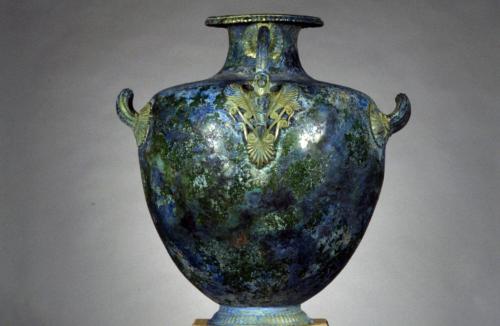

Bronze Kalpis (Water Jar) with Siren Attachment
Place of OriginGreece
Dateabout 480 BCE
DimensionsH: 13 13/16 in. (35 cm); Diam (mouth): 5 5/16 in. (13.5 cm); Diam (with handles): 13 5/32 in. (33.4 cm); Diam (body): 11 1/32 in. (28 cm); Diam (foot): 4 3/4 in. (12.1 cm)
MediumBronze
ClassificationMetalwork
Credit LinePurchased with funds from the Libbey Endowment, Gift of Edward Drummond Libbey
Object number
1975.63
Not on View
DescriptionA bronze hydria of the kalpis shape (a continuous curve from neck to foot), featuring two horizontal handles for lifting and one vertical handle for pouring. The vertical handle is decorated with a cast attachment in the form of a siren—a mythological bird-woman—located at the base where the handle joins the shoulder. The vessel stands on a molded foot. The surface shows heavy corrosion and encrustation consistent with archaeological burial; internal restoration includes a screening mesh to stabilize the walls.
Label TextThis bronze jar, known as a hydria or kalpis, was designed to carry water, but its material and decoration suggest a more ceremonial function. Bronze vessels were valuable commodities in ancient Greece, often serving as prizes, diplomatic gifts, or cinerary urns for the elite. The vertical handle features a siren—a mythological creature with the body of a bird and the head of a woman. In Greek art of this period, sirens were frequently associated with mourning and the afterlife, suggesting this vessel may have been intended for a tomb.Published References"Treasures for Toledo," Toledo Museum of Art Museum News, vol. 19, nos. 2, 3, 1976, p. 49.
Exhibition HistoryTreasures for Toledo: Seven Years of Collecting, The Toledo Museum of Art, 1976.Comparative ReferencesSee also Diehl, Erika, Die Hydria, Formgeschichte und Verwendung im Kult des Altertums, Mainz, Philipp von Zabern, 1964.
300-200 BCE

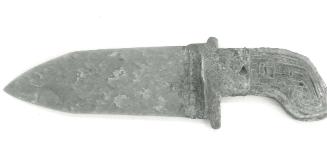
Shang Dynasty (1766-1045 BCE)
Unidentified, Gorgoneion Group
about 560 BCE

10th-12th century
about 2400 - 2000 BCE
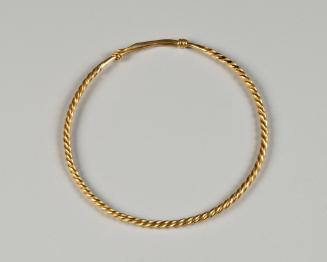
Roman Period, about 50 CE

Membership
Become a TMA member today
Support TMA
Help support the TMA mission