

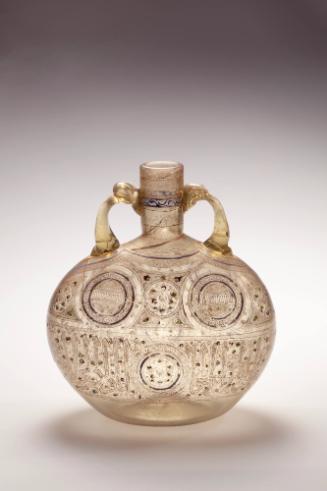
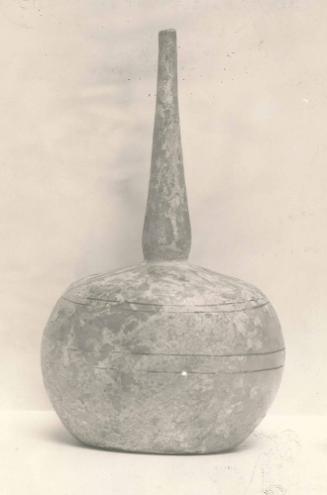
Perfume Sprinkler (Qumqum) with Figural Medallions
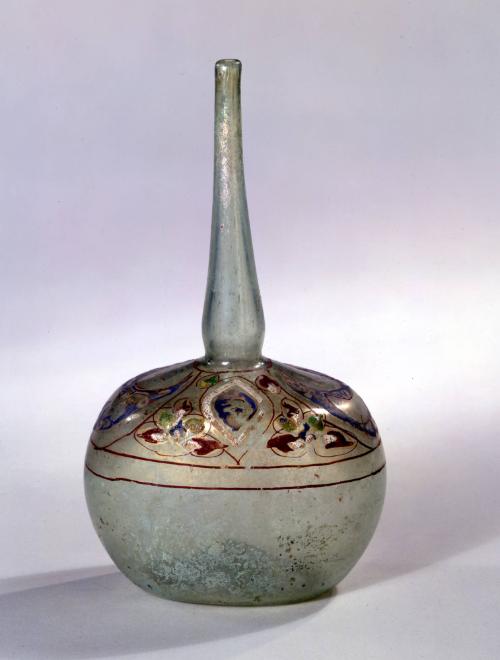

Perfume Sprinkler (Qumqum) with Figural Medallions
Place of OriginReportedly excavated in Syria
Datelate 13th century
DimensionsH: 7 3/4 in. (19.7 cm); Max W: 6 3/8 in. (16.2 cm); Min W: 3 3/4 in. (9.5 cm)
MediumFree-blown glass with polychrome enamel (red, blue, green, yellow, white) and gilding.
ClassificationGlass
Credit LinePurchased with funds from the Libbey Endowment, Gift of Edward Drummond Libbey
Object number
1966.115
Not on View
DescriptionThis vessel features a globular body with a flattened base and a tall, tapering neck that terminates in a narrow opening. The glass is decorated with polychrome enamels in red, blue, green, yellow, and white, alongside applied gilding. The shoulder of the body is encircled by a decorative frieze containing medallions; within these medallions are human faces with rounded features, alternating with stylized floral or arabesque motifs. Bands of enamel define the registers on the body and the base of the neck. The interior surface shows signs of weathering and iridescence.
Label TextThis spherical bottle with a tall, tapering neck is a classic example of a qumqum, or perfume sprinkler, produced in Syria during the 13th century. The vessel was blown from glass and then decorated with gold and polychrome enamels in shades of yellow, red, blue, green, and white. The decoration is organized into registers, featuring a prominent frieze on the shoulder containing medallions enclosing human faces. These faces depict the "moon-faced" ideal of beauty common in the arts of the Ayyubid and early Mamluk periods. The narrow aperture of the neck was designed to restrict the flow of liquid, allowing the user to sprinkle rosewater or orange blossom water drop by drop.Published References"Accessions of American and Canadian Museums", Art Quarterly, vol. 31, no. 2, Summer 1968, p. 205, repr. p.209.
Toledo Museum of Art, "Treasures for Toledo", Museum News, New Series, vol. 12, no. 4, Winter 1969, repr.
Toledo Museum of Art, Art in Glass: A Guide to the Glass Collections, Toledo, 1969, repr. p. 39. Atil, Esin, Renaissance of Islam: Art of the Mamluks, Washington D.C., Smithsonian Institution Press, 1981, no. 47, p. 129, repr. (col.), p. 128.
Exhibition HistoryWashington, National Museum of Natural History; Minneapolis Institute of Art; New York, Metropolitan Museum of Art; Cincinnati Museum of Art; Detroit Art Institute; Phoenix Art Museum; Hartford, Wadsworth Atheneum, Renaissance of Islam: Art of the Mamluks, 1981.The Museum of Science and Industry, Chicago, IL. The Glass Experience, March 13-Spetember 1, 2008.
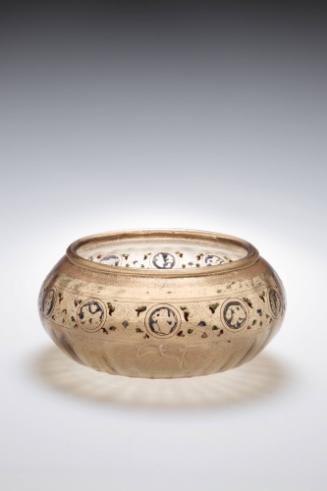
Late 13th century

about 100 BCE
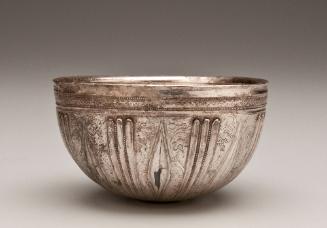
150-100 BCE
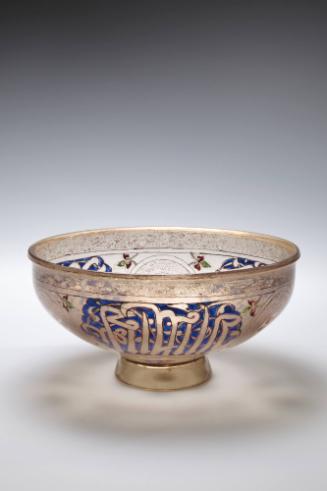
about 1350-1360

7th-8th century

9th-10th century
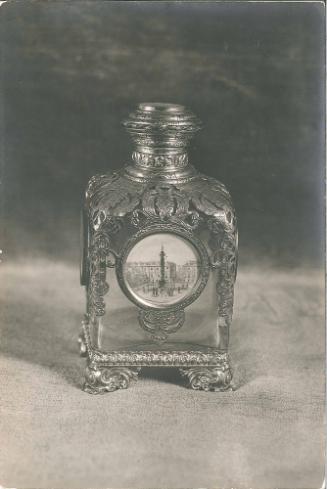
19th century
Mid-14th century
Mid-14th century

1st century BCE - 1st century CE

Membership
Become a TMA member today
Support TMA
Help support the TMA mission