

Jar with Lug Handles
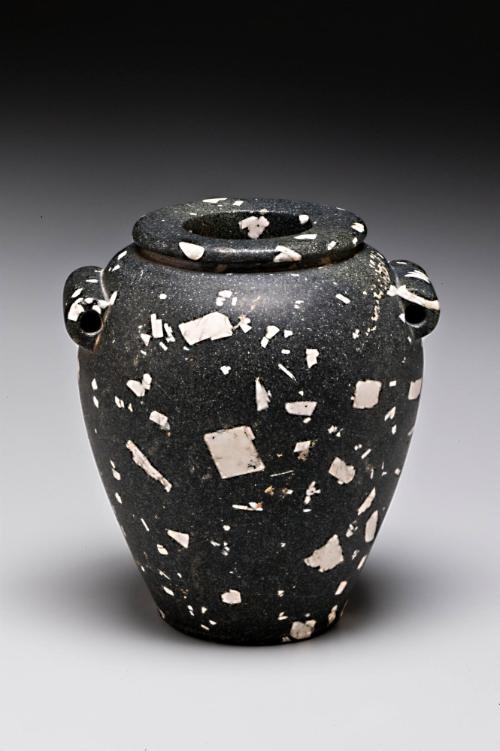

Jar with Lug Handles
Period
Early Dynastic Period
(Ancient Egyptian, 3100–2649 BCE)
Dynasty
Dynasty 3
(Ancient Egyptian, 2649–2575 BCE)
Place of OriginEgypt; reportedly found at Ras Shamra (Ugarit), Syria
Date2nd–4th Dynasties (2890–2498 BCE)
Dimensions7 3/8 × 3 7/8 × 3 1/8 × 6 5/8 in. (18.7 × 9.8 × 7.9 × 16.8 cm)
MediumPorphyritic andesite (stone)
ClassificationSculpture
Credit LineGift of the Egypt Exploration Society, Edward Drummond Libbey, and Florence Scott Libbey, by exchange
Object number
1993.48
On View
Toledo Museum of Art (2445 Monroe Street), Gallery, 02, Classic
DescriptionA shouldered, ovoid vessel carved from black porphyritic andesite with distinct, angular white plagioclase phenocrysts. The jar features a flat, undercut rim with a profiled outer edge and a flat, slightly offset cylindrical base. Two tubular, horizontally pierced lug handles are positioned high on the shoulder. The interior is fully hollowed, exhibiting rotary drill marks. The surface is polished smooth, highlighting the stark contrast between the dark matrix and the white crystal inclusions.
Label TextThis striking vessel was carved from a single block of porphyritic andesite, a rare volcanic stone found in Egypt's Eastern Desert. The black stone is naturally speckled with large, white crystals of plagioclase feldspar, creating a "starry" pattern that ancient craftsmen skillfully exploited. Lacking metal tools hard enough to cut this stone, artisans used stone pounders, sand abrasives, and hand-cranked bow drills to shape and hollow the jar—a process requiring weeks of labor.
Although manufactured in Egypt in the early 2nd millennium BCE, this vessel has a purported provenance from Ras Shamra (ancient Ugarit) on the Syrian coast, where it was allegedly discovered in a Late Bronze Age (c. 1300 BCE) hoard. If accurate, this context illustrates the high value placed on Egyptian stone vessels as heirlooms and diplomatic gifts in the ancient Mediterranean exchange network, preserved for over a millennium after their creation.
Published ReferencesFrederick Schultz Ancient Art, Egyptian Art: The Essential Object, New York, Acanthus Gallery, 1987, no. 2.Toledo Museum of Art, Toledo Museum of Art Masterworks, Toledo, 2009, p. 60, repr. (col.).
Peck, William H., Sandra E. Knudsen and Paula Reich, Egypt in Toledo: The Ancient Egyptian Collection at the Toledo Museum of Art, Toledo, Toledo Museum of Art, 2011, p. 31, repr. (col.) p. 10, 31.
Exhibition HistoryToleod, Toledo Museum of Art, The Egypt Experience: Secrets of the Tomb, 2010-2012.Comparative ReferencesSee also Moragn J. de., Recherches sur l'origine de l'Egypt, Paris, 1896-1897, p. 166.See also Hayes, W., Sceptre of Egypt I, New York, 1959, pp. 9-27 and p. 23, fig. 15.
See also Woldering, I, The Art of Egypt, New York, 1965, p. 29, pl. 3.
See also Kantor, H., "Agypten," in Frühe Stufen der Kunst, Propyläen Kunstgeschichte, 13, 1974, pp. 227-256.
See also Spencer, A.J., Catalogue of Egyptian Antiquities in the British Museum V: Early Dynastic Objects, London, 1980, p. 32, no. 159 (BM inv. no. 4T31) and pl. 16, no. 159.
See also Schultz, F., Egyptian Art - The Essential Object, New York, Acanthus Gallery, May 28 - June 25, 1987, no. 2.


Predynastic Period, Naqada II-III, about 3500-3000 BCE
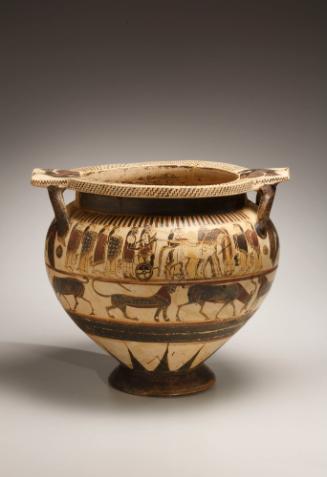
Unidentified, Gorgoneion Group
about 560 BCE
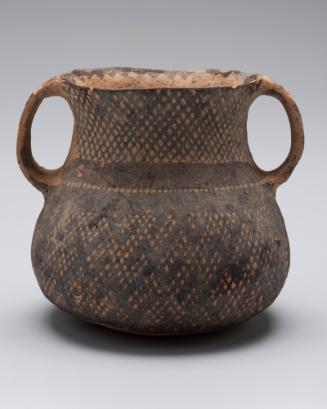
4800-4300 BCE

3rd century, possibly early 4th century

late 2nd century AD
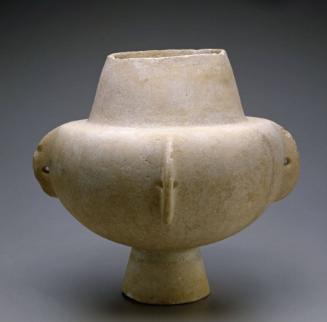
Early Cycladic I, about 3000-2800 BCE
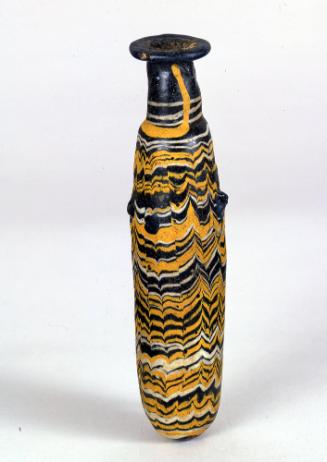
Mid-4th through early 3rd century BCE




Membership
Become a TMA member today
Support TMA
Help support the TMA mission