

Pelike with Peleus Seizing Thetis



Pelike with Peleus Seizing Thetis
Artist
The Painter of Athens 1472
(Greek)
Place of OriginGreece, Athens
Date350-330 BCE
DimensionsH: 14 7/16 in. (37.6 cm); Diam (rim): 8 7/8 in. (22.5 cm); Max Diam (body): 9 1/4 in. (23.5 cm); Diam (foot): 5 7/8 in. (14.8 cm)
MediumWheel-thrown, slip-decorated earthenware
ClassificationCeramics
Credit LinePurchased with funds given by Rita Barbour Kern in memory of Marguerite Wilson Barbour
Object number
1993.49
Not on View
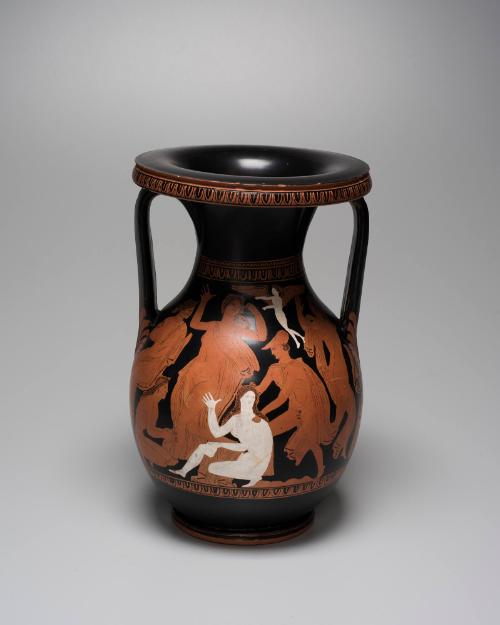
DescriptionA large, wheel-thrown ceramic storage vessel with a sagging belly, wide mouth, and two vertical strap handles (shape: pelike). The surface is decorated in the red-figure technique with a matte black gloss background and reserved red clay figures; details are added in white slip and dilute wash. Side A depicts a multi-figure mythological scene centered on a crouching, nude female figure (Thetis) with white flesh, being grasped by a male figure (Peleus) in a traveler's cap. Surrounding them are fleeing female figures, a small winged Eros with white flesh flying above, and a standing, cloaked female figure to the left. Side B features three standing, draped youths; the central and right figures face left, while the left figure faces right. A meander pattern band runs below the scenes, and an egg-and-dart pattern adorns the rim and neck. The vessel shows signs of repair from large fragments, with inpainting visible on the central figures.
Label TextThis elaborate vase, known as a pelike, illustrates the dramatic moment when the mortal hero Peleus captures the shape-shifting sea nymph Thetis to make her his bride. Thetis, shown crouching in the center with her flesh painted stark white, is surprised while bathing. As her sisters flee in alarm, a small winged Eros (Love) flies above, crowning her to signal her destiny. To the far left, a heavily cloaked woman hides her face; scholars believe she represents Aidos, the Greek personification of modesty and shame, symbolizing the bride’s ritual submission. Made in Athens during the 4th century B.C., this vessel is an example of the "Kerch Style," named after a city in Crimea where many such vases were found. The style is famous for its theatrical poses, added colors (pink, blue, and gold, now mostly faded), and elaborate, painterly compositions that mimic the sculpture of the time.Published ReferencesHoyt, Sue Allen. Masters, Pupils and Multiple Images in Greek Red-Figure Vase Painting, Ph.D. Dissertation, The Ohio State University, 2006.
Sutton, Robert F. "The Invention of the Female Nude: Zeuxis, Vase-Painting, and the Kneeling Bather," in Athenian Potters and Painters II, Oxford, 2009, p. 273, no. 18, fig. 9. Corso, Antonio. "The Theme of Bathing Aphrodites in Classical Greece: Birth of an Iconographical Pattern, Development, Success," Numismatica e Antichità Classiche, vol. 44, 2015, pp. 161-169. Vasko, D. S. “Master Afny 1472: novye atributsii [The Painter of Athens 1472: New Attributions],” Aktual’nye problemy teorii i istorii iskusstva, no. 6, 2016, p. 33.
McPhee, Ian, "An Attic Red-figuredBell-krater from Corinth and the Painter of Athens 1472", in Studi Miscellanei di Ceramografia Greca V, 2019, Catania, Sicily, Ediarch, pp. 126, 131, 133, 134, repr. (col.) fig. 17, p. TAV. VIII.
Exhibition HistoryToledo Museum of Art, Inspired Giving: The Apollo Society 25th Anniversary Exhibition, October 15, 2010-February 13, 2011 (not in catalog).Comparative ReferencesSee also Beazley, J.D., Attic Red-figure Vase-painters, Oxford, 1963, vol. II, p. 1477 (for the Painter of Athens 1472).cf. Beazley, J.D., Paralipomena, Oxford, 1971, p. 496 (for the Painter of Athens 1472).
cf. Simon, E., Die Griechischen Vasen, Munich, 1976, pp. 157-160.
about 370-400 CE

about 800

about 800
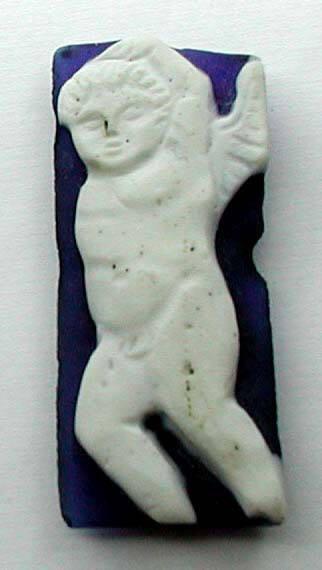
1st century BCE - 3rd century CE

1st century CE
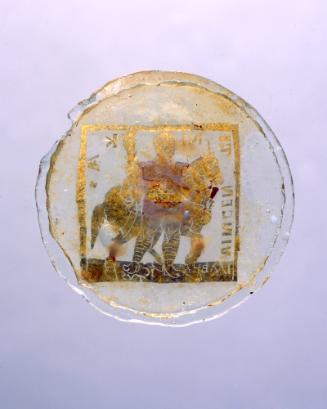
350-400 CE (or modern)

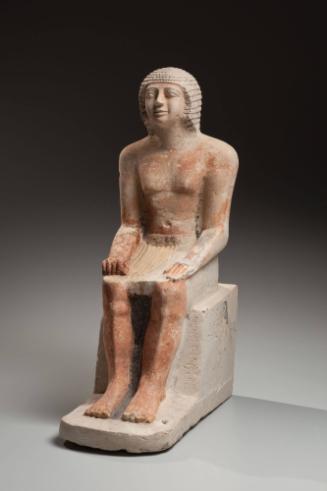
5th Dynasty (2498–2345 BCE)

about 1525-1550

9th Dynasty (2130–2040 BCE)
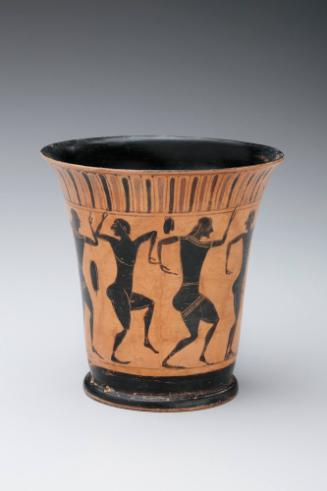
about 540 BCE

Membership
Become a TMA member today
Support TMA
Help support the TMA mission