

Imported Mycenaean Stirrup Jar
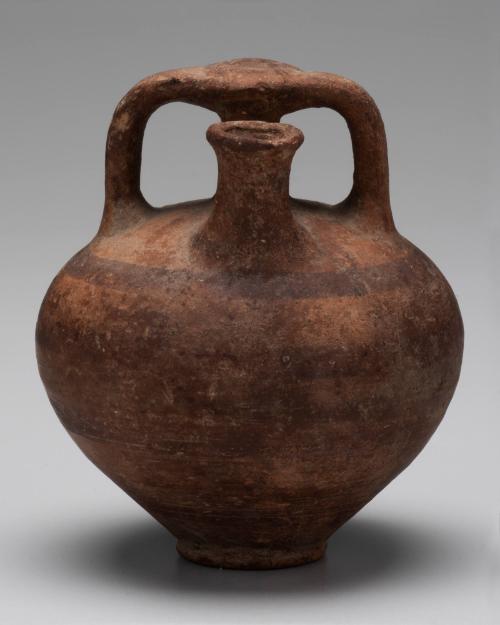




Imported Mycenaean Stirrup Jar
Dynasty
Dynasty 18
(Ancient Egyptian, 1550–1295 BCE)
Dynasty
Dynasty 19
(Ancient Egyptian, 1295–1186 BCE)
Period
New Kingdom Period
(Ancient Egyptian, 1550–1070 BCE)
Place of OriginEgypt, Balabish, Tomb B 160
Date18th–19th Dynasties (1550–1189 BCE), about 1300 BCE
Dimensions4 1/2 in. (11.4 cm)
MediumTerracotta with slip and pigment
ClassificationCeramics
Credit LineGift of the Egypt Exploration Fund
Object number
1915.129
Not on View
DescriptionThis is a small, round ceramic jar made of cream-colored clay with a globular (ball-shaped) body. It features a unique handle design known as a "stirrup" shape: a solid, false neck rises from the center top, connected to a strap handle that arches over it, while the actual pouring spout is a separate, small opening on the shoulder. This design allowed the vessel to be carried securely without spilling. The surface is decorated with simple horizontal bands painted in a dull red or brown color. According to the excavators, the vessel originally contained a scented ointment.
Label TextThis vessel was excavated in 1915 by the Egypt Exploration Fund at Balabish, a provincial cemetery site in Upper Egypt. Despite its remote location, the shape is distinctly Mycenaean—a style designed in Greece specifically to transport scented olive oil across the Mediterranean.
Its presence here captures the deep interconnectedness of the ancient world. Whether this jar is a genuine import that traveled 1,000 miles by sea and river, or a local Egyptian imitation of the trendy foreign goods arriving on merchant ships, it proves that international commerce and taste influenced even daily life in the Nile Valley.
Published ReferencesWainwright, G. A., Balabish, London, Egypt Exploration Society, 1920, pp. 65–66, pl. XXV, no. 87.Exhibition HistoryToledo Museum of Art, The Egypt Experience: Secrets of the Tomb, October 29, 2010-January 8, 2012.

Dynasty 18
18th–19th Dynasties (1550–1189 BCE), about 1450–1250 BCE
18th Dynasty (1550-1292 BCE), about 1350 BCE
18th Dynasty (1550-1292 BCE), about 1350 BCE

1792

about 300 BCE

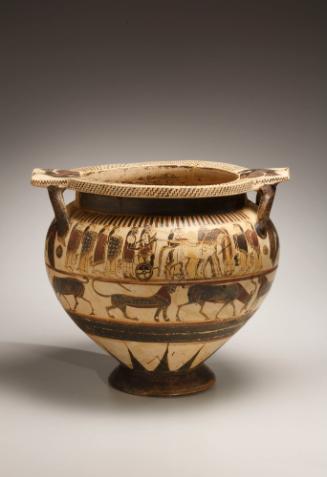
Unidentified, Gorgoneion Group
about 560 BCE
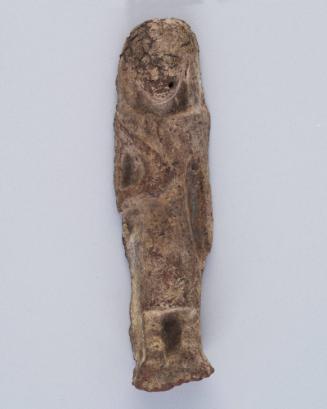
25th–31st Dynasties (747–332 BCE)


4th - 6th century CE (?)
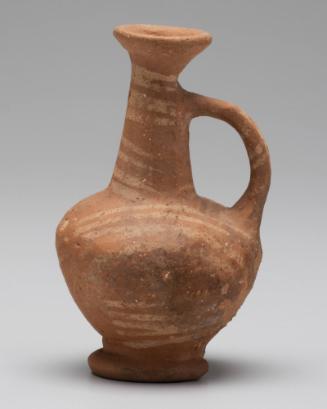
18th–19th Dynasties (1550–1189 BCE)


Membership
Become a TMA member today
Support TMA
Help support the TMA mission