

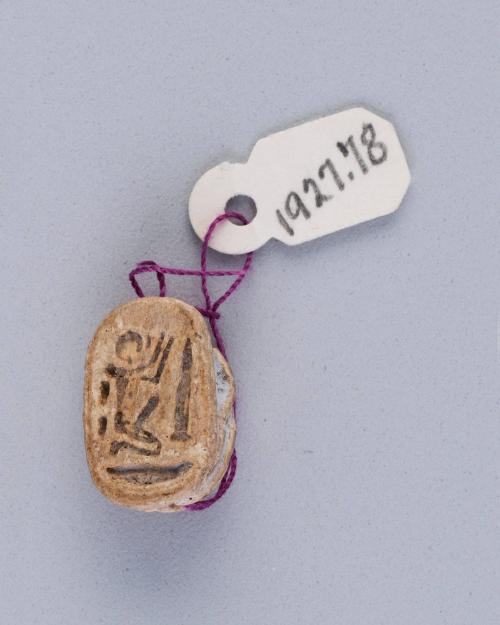
Scarab Seal with King Adoring an Obelisk


Scarab Seal with King Adoring an Obelisk
Place of OriginEgypt
Date19th Dynasty (1292–1189 BCE)
DimensionsH: 9/16 in. (1.4 cm); W: 3/8 in. (1 cm); Depth: 5/16 in. (0.8 cm)
MediumGlazed pottery or faience (material disputed: possibly carved steatite or glazed clay).
ClassificationJewelry
Credit LineGift of Mrs. Caroline Ransom Williams
Object number
1927.78
Not on View
DescriptionA scarab-shaped seal with a high, evenly rounded back. The prothorax and elytra (wing cases) are divided by single incised lines. The legs are rendered in relief with three differentiated pairs; the ground between them is slightly lowered, and the rear legs show striations on the upper surface. The object has a threading hole running longitudinally. The base features an intaglio design. The right side of the prothorax and the forepart of the right elytrum are broken away. The surface retains traces of blue glaze in the depressions between the legs and a cream-colored surface elsewhere. Yellow residue is present in the design depressions.
Label TextThis small seal takes the shape of the sacred scarab beetle, a symbol of rebirth and the rising sun. The underside reveals a tiny, detailed scene: a pharaoh kneeling in worship before an obelisk. The obelisk was a powerful symbol of the sun god Amun-Re. While the king’s posture is humble, the uraeus (cobra) on his brow identifies him as royalty. Originally glazed in bright blue—traces of which remain in the crevices—this object likely functioned as an amulet or a seal. It was collected in Cairo in 1927 by the pioneering Egyptologist Caroline Ransom Williams, who noted that its unusual material might be glazed pottery rather than the more common carved stone or faience.Comparative ReferencesCf. Hall, H.R., Catalogue of Egyptian Scarabs, etc., in the British Museum, Vol. I. London: British Museum, 1913. (Compare nos. 1456, 1463, 1464).
Cf. Newberry, Percy E., Scarab-Shaped Seals (Catalogue Général des Antiquités Égyptiennes du Musée du Caire). London: Constable & Co., 1907. (Compare pl. IX, no. 36438).
Cf. Petrie, W.M. Flinders, Historical Scarabs, London: David Nutt, 1889. (Compare pl. XVIII, no. 33).
Cf. Petrie, W.M. Flinders, Scarabs and Cylinders with Names, London: School of Archaeology in Egypt, 1917. (Compare pl. XXVIII).
12th–18th Dynasties (1991–1292 BCE)
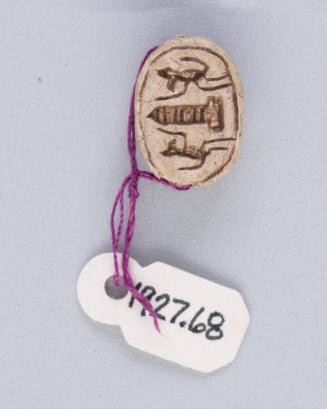
19th Dynasty or later (1292–30 BCE)
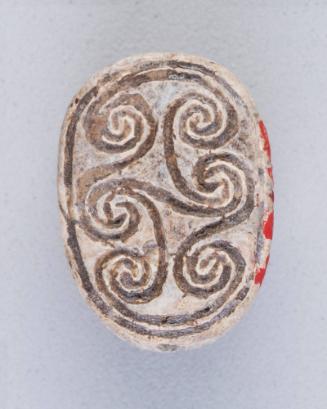
12th Dynasty (1991–1802 BCE)
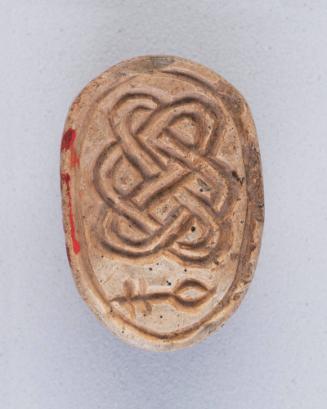
12th–18th Dynasties (1991–1292 BCE)
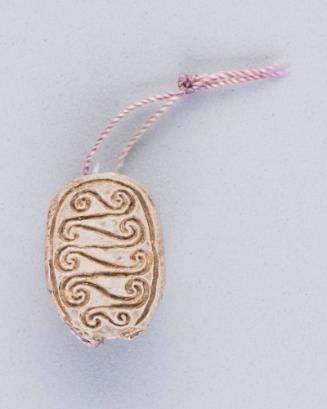
16th–18th Dynasties (1650–1292 BCE)
Hyksos, 17th-16th century BCE
18th Dynasty (1550-1292 BCE), about 1400 BCE
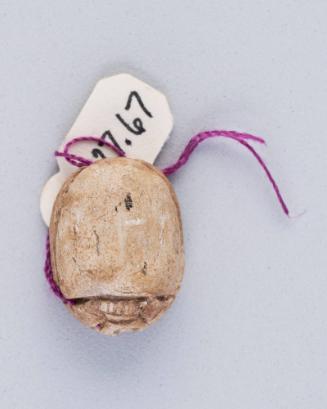
Possibly Hyksos, shortly before 1580 BCE
18th Dynasty (1550-1292 BCE), about 1400 BCE
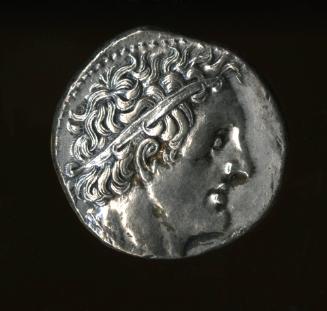
about 305-285 BCE

18th Dynasty (1550-1292 BCE), about 1381 BCE

Membership
Become a TMA member today
Support TMA
Help support the TMA mission