

Figure of an Emaciated Man

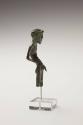
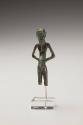
Figure of an Emaciated Man
Place of OriginGreece, probably from Alexandria, Egypt
DatePtolemaic Period (332–30 BCE), about 200–50 BCE
DimensionsL: 1 1/16 in. (2.7 cm); W: 13/16 in. (2 cm); H: 2 9/16 in. (6.5 cm); Weight: 35.17 grams
MediumBronze
ClassificationSculpture
Credit LineGift of the Popplestone Family
Object number
2006.100
Not on View
DescriptionA small, solid-cast bronze statuette depicting a standing male figure in a state of extreme emaciation. The figure stands with legs slightly apart, the left leg advanced. The anatomy is rendered with clinical precision, highlighting the skeletal structure; the rib cage is prominently articulated with individual ribs visible beneath the skin, and the clavicles and sternum are deeply recessed. The hips protrude sharply, and the limbs are thin and sinewy. The figure's head is somewhat large in proportion to the body, with sunken cheeks and deep eye sockets.
Label TextThis small but striking bronze represents a departure from the idealized beauty of Classical Greek art. Created in the cosmopolitan city of Alexandria, Egypt, it reflects a Hellenistic fascination with realism and the human condition in all its forms. The artist has unflinchingly depicted a man suffering from extreme emaciation—possibly a beggar or a sick individual—with anatomical precision. Such figures were popular collectables in antiquity, serving as conversation pieces that highlighted the owner’s appreciation for the complexities of life and the whims of fortune.Published ReferencesPeck, William H., Sandra E. Knudsen and Paula Reich, Egypt in Toledo: The Ancient Egyptian Collection at the Toledo Museum of Art, Toledo, Toledo Museum of Art, 2011, p. 90, repr. (col.).

2nd century CE
about 1st century CE
New Kingdom Period
18th Dynasty (1550-1292 BCE), about 1350 BCE
Early to mid-20th century
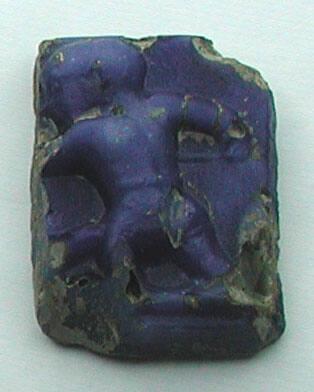
1st century BCE - 2nd century CE
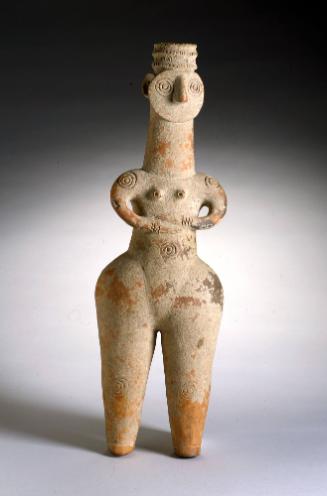
Early 1st millennium BCE

Membership
Become a TMA member today
Support TMA
Help support the TMA mission