

Cheekpieces from a Horse Bit
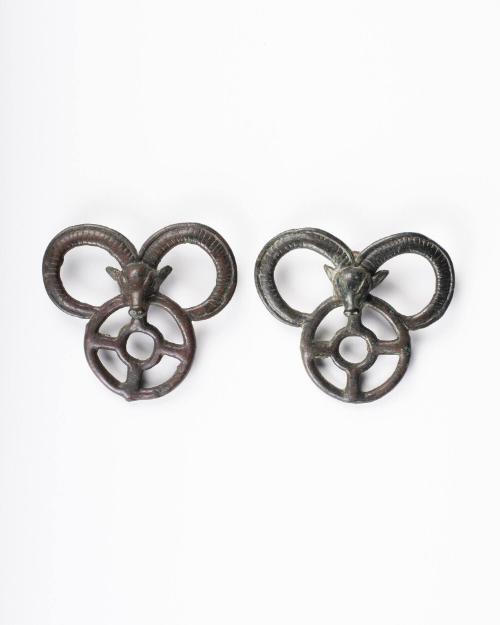


Cheekpieces from a Horse Bit
Place of OriginIran, Luristan
Date800-650 BCE
DimensionsH: 2 13/16 in. (7.1 cm); W: 2 5/8 in. (6.7 cm)
MediumBronze.
ClassificationMetalwork
Credit LineGift of Georges Henri Riviere
Object number
1931.76A-B
Not on View
DescriptionA pair of cast bronze cheekpieces, each formed in the shape of a stylized ibex head. The animal is depicted with a triangular face, protruding ears, and large, circular horns that curve backward and downward to rejoin the neck, forming a complete loop. Beneath the animal head is a wheel motif consisting of a central hub and four radiating spokes within a circular rim. The central hub serves as the aperture through which the canon (mouthpiece) of the bit would originally have passed. The surface exhibits a dark, aged patina.
Label TextThese bronze rings, shaped like the heads of wild goats (ibexes), once served as the cheekpieces for a horse bit. In the Iron Age culture of Luristan (in the Zagros Mountains of modern Iran), horses were vital symbols of status and power for nomadic tribes. Artisans created elaborate bronze gear for these mounts, often burying the tack in tombs alongside warriors. The cheekpiece was a functional device designed to prevent the mouthpiece of the bit from sliding out of the horse's mouth. Here, the maker has combined the ibex’s sweeping horns with a "wheel" shape to create a sturdy, unified form. This distinct "animal style" is the hallmark of Luristan bronzes, which captivated the European art market following their discovery in the late 1920s. These specific pieces were acquired in Paris in 1931 from Georges Henri Rivière (a prominent French museologist who was then married to TMA assistant director Nina Stevens), illustrating the intense interest these objects sparked among European collectors and scholars at the time.Published ReferencesUnpublished.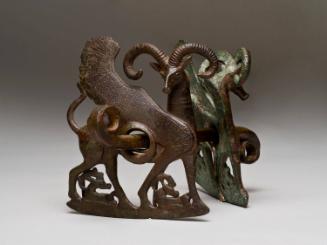
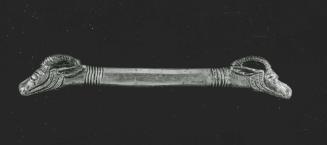
750-650 BCE
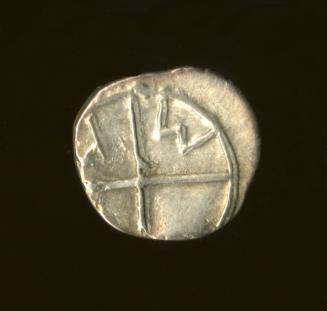
4th-3rd century BCE
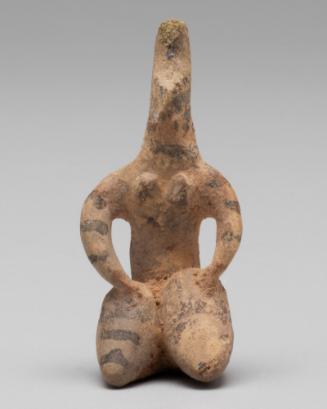
Late 6th millennium BCE (or Late 5th to 4th millennium BCE?)
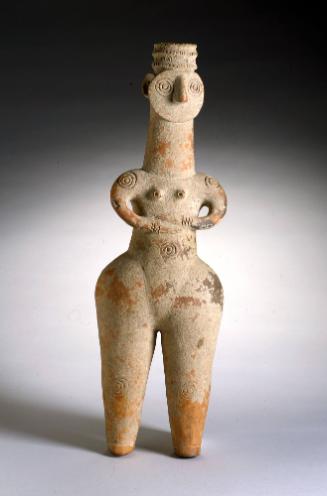
Early 1st millennium BCE


Late 17th century - early 18th century

Late 17th century - early 18th century
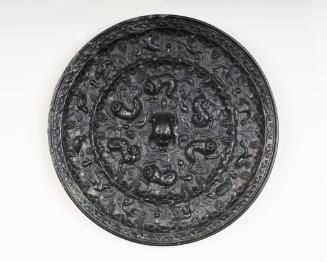
Tang Dynasty (618-907)

Membership
Become a TMA member today
Support TMA
Help support the TMA mission