

Celtic Tetradrachm Imitating Philip II of Macedon
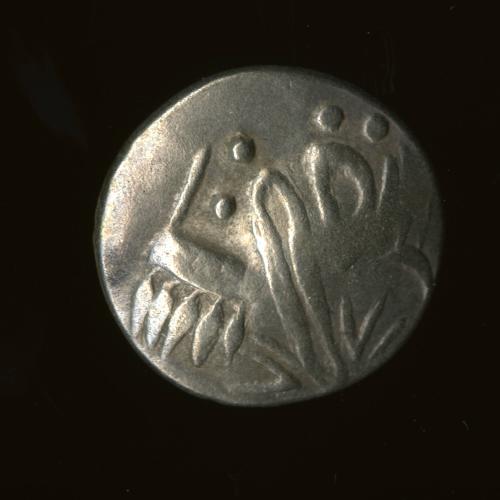


Celtic Tetradrachm Imitating Philip II of Macedon
Place of OriginEurope, Danube region
Date1st century BCE
DimensionsMax L: 21.89 mm (2.2 cm); H: 4.58 mm (0.5 cm); Weight: 7.40 grams
MediumSilver.
ClassificationMetalwork
Credit LineGift of the Popplestone Family
Object number
2006.114
Not on View
DescriptionA Celtic silver tetradrachm imitating the coinage of Philip II of Macedon. The obverse shows a stylized head of Zeus; the reverse depicts a horse and rider.
Label TextThis coin illustrates the transmission of imagery from the Mediterranean to Central Europe. It imitates the famous silver tetradrachms of Philip II of Macedon (father of Alexander), which featured a horse and jockey celebrating Philip's Olympic victory. In the hands of Celtic artists, the rider and horse became fluid, almost surreal figures, floating in space. This abstraction was not a lack of skill, but a cultural preference for symbolic, non-narrative art.
2nd-1st century BCE

2nd Century BCE

after 146 BCE
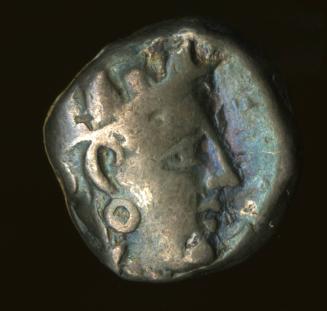

about 340 BCE

Roman Period, 3rd century CE
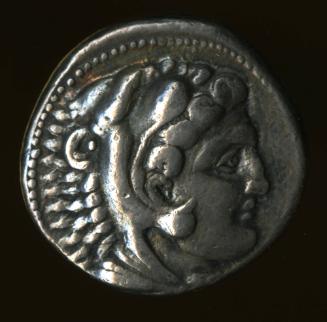
about 333 BCE

about 334-300 BCE

about 333 BCE

about 333 BCE

about 320-319 BCE

Membership
Become a TMA member today
Support TMA
Help support the TMA mission