

Vessel with Yakshas and Yakshis
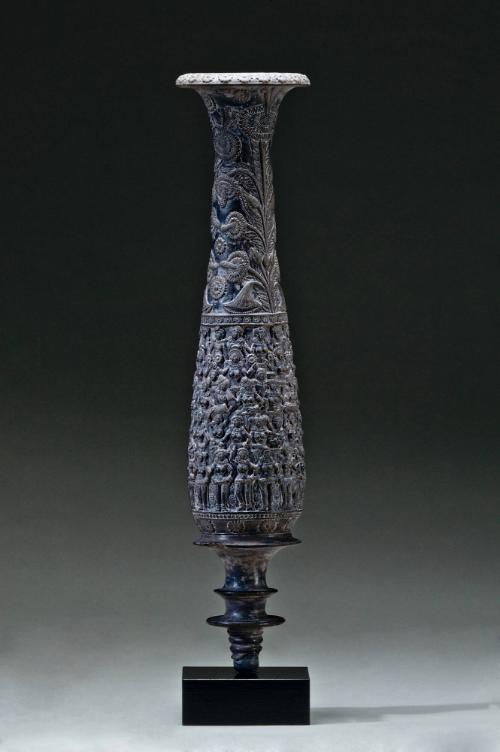


Vessel with Yakshas and Yakshis
Place of OriginIndia, West Bengal, possibly Chandraketugarh
Date2nd-1st century BCE
Dimensions25 3/16 × 5 × 5 in. (64 × 12.7 × 12.7 cm)
Mediumearthenware
ClassificationSculpture
Credit LinePurchased with funds from the Libbey Endowment, Gift of Edward Drummond Libbey
Object number
2008.139
Not on View
DescriptionA large terracotta vessel with a tall, slender neck, a flared rim, a bulbous body, and a tapering lower section with three diminishing ridged registers ending in a small turned base. The surface is covered with precisely delineated, high-relief decoration. The neck features scrolling fronds and blossoming lotus flowers. The main body is separated from the neck by a band of open lotus blooms and features a dense, all-over design of male and female figures facing outwards. These figures are adorned with minutely carved jewelry (headdresses, necklaces, bracelets). They carry various attributes, including sheaves of grain, laden baskets, musical instruments, and lotus flowers. A narrow band of open lotus blooms forms the lowest decorative register above the base.
Label TextThe lower register of this ancient vase—below the bold design of lotus flowers—depicts rows upon rows of yakshas and yakshis, male and female nature divinities representing the bounty of the earth. They all wear elaborate jewelry, and many are carrying musical instruments, flowers, sheaves of grain, and laden baskets—all of which are blessings of the goddess of wealth and fortune, Sri or Lakshmi. The vessel may have been “planted” in the ground during harvest festivals and rituals, as a purna kalasha, or “vase of plenty.” Such vases were used as an offering to ensure the fertility of the earth.Published ReferencesToledo Museum of Art, Toledo Museum of Art Masterworks, Toledo, 2009, p. 27, repr. (col.).Comparative ReferencesSee also Body, Speech and Mind, Asian Religious Images, Marcel Nies Oriental Art, Antwerp, 2006. See also Life and Art of Chandraketugarh, State Archaeological Museum, Behala, Kolkata, 2001.
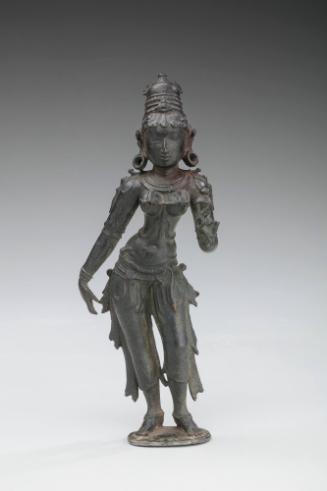
Chola Dynasty (850-1310), about 950
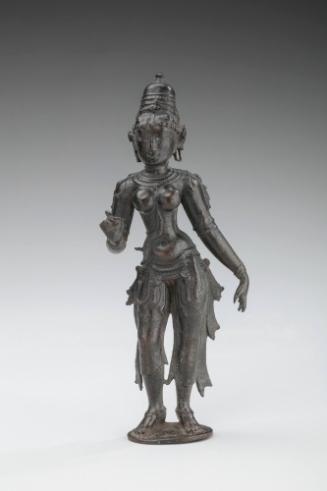
Chola Dynasty (850-1310), about 950

about 230 BCE- 220 CE

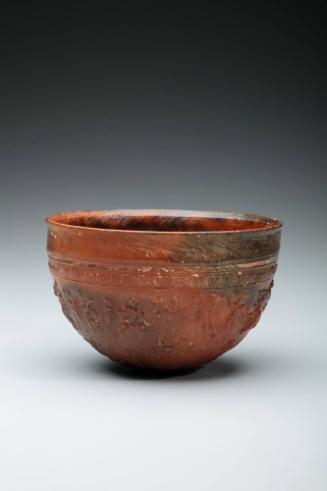
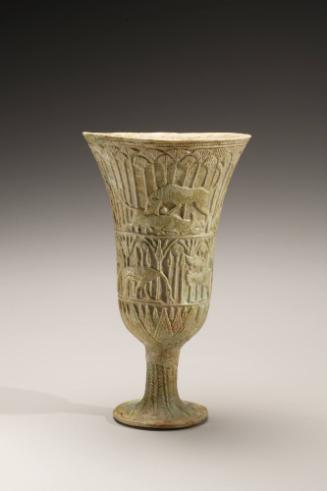
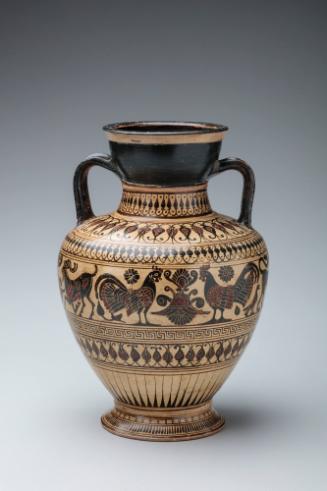
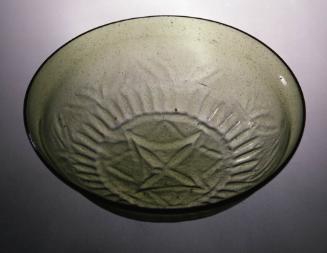
Late 4th - early 5th century CE
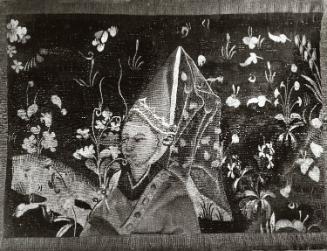
Early to Late 15th century
Membership
Become a TMA member today
Support TMA
Help support the TMA mission