

Wedjat Eye Amulet ("Eye of Horus")
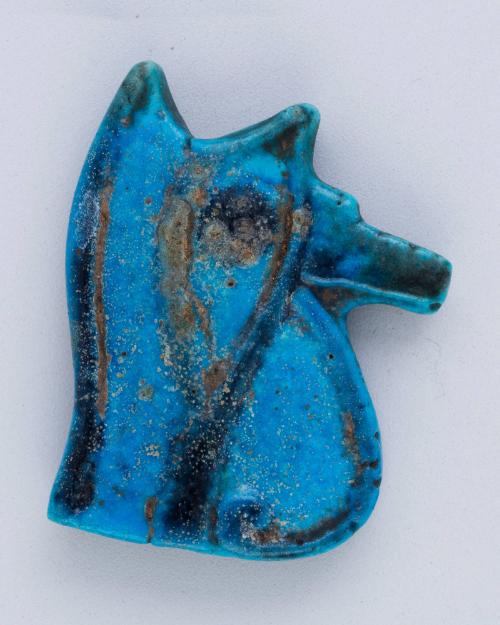



Wedjat Eye Amulet ("Eye of Horus")
Artist
Unidentified
Period
New Kingdom Period
(Ancient Egyptian, 1550–1070 BCE)
Dynasty
Dynasty 19
(Ancient Egyptian, 1295–1186 BCE)
Dynasty
Dynasty 20
(Ancient Egyptian, 1186–1070 BCE)
Place of OriginEgypt
Date19th–20th Dynasties (1292–1077 BCE)
Dimensions1 7/8 in. (4.8 cm)
Mediumglazed ceramic
ClassificationJewelry
Credit LineGift of Edward Drummond Libbey
Object number
1906.56A
Not on View
DescriptionFigure of a right eye. Bright blue glazed potter; details in underglaze black. Obverse in relief; reverse, plain and flat, or nearly so. Pierced lengthwise for threading.
Label TextThis amulet represents the Wedjat Eye, also known as the Eye of Horus. One of the most widely used and recognized symbols in ancient Egypt, the Wedjat Eye was associated with protection, healing, and restoration. According to myth, the god Horus lost his eye in battle, and it was magically restored—making the eye a powerful emblem of wholeness and renewal. Amulets in this shape were made of faience and other materials and were placed among mummy wrappings or worn in life to ward off harm and ensure well-being.

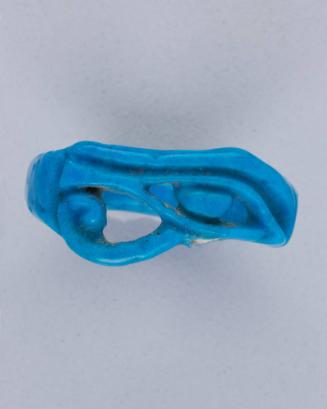
18th Dynasty (1550-1292 BCE)

18th Dynasty (1550-1292 BCE)


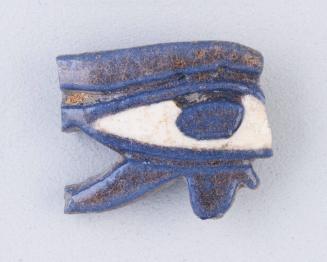
18th-20th Dynasties, possibly later (1558-1085 BCE)

26th Dynasty (664–525 BCE)

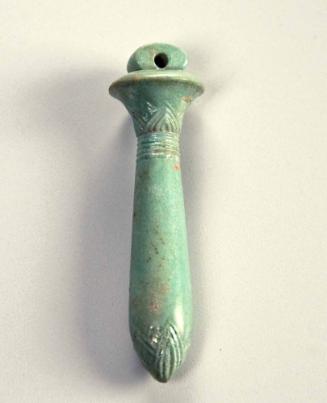

25th–31st Dynasties (747–332 BCE)

Membership
Become a TMA member today
Support TMA
Help support the TMA mission