

Model of a Stupa Dedicated by Sivaraksitaka
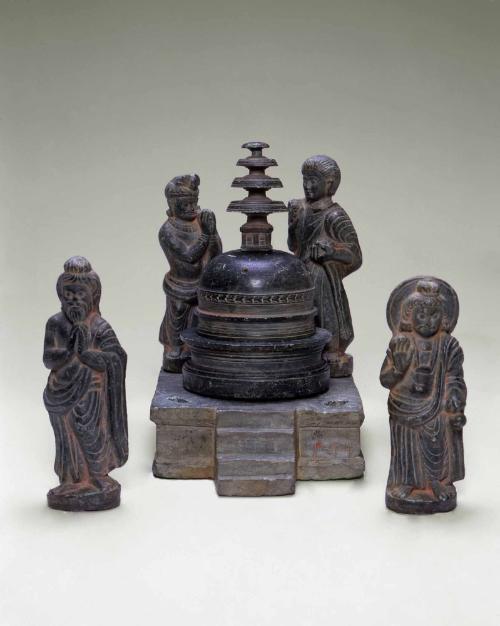

Model of a Stupa Dedicated by Sivaraksitaka
Place of OriginPakistan, reportedly from Panr Stupa (near Mingora, Swat Valley)
Dateabout 3rd century CE; inscription dated to earlier than 150 CE
Dimensions10 3/4 × 6 3/4 × 8 1/2 in. (27.3 × 17.1 × 21.6 cm)
A: 7 3/4 × 2 3/4 × 1 7/8 in. (19.7 × 7 × 4.8 cm)
A: 7 3/4 × 2 3/4 × 1 7/8 in. (19.7 × 7 × 4.8 cm)
MediumGreen schist.
ClassificationSculpture
Credit LinePurchased with funds from the Florence Scott Libbey Bequest in Memory of her Father, Maurice A. Scott
Object number
2006.144A-I
Not on View
DescriptionA carved green schist architectural model of a Buddhist stupa comprised of nine separable elements designated A through I. The central structure features a square podium/base (H) with a staircase on one side, supporting a circular drum (G) with a turned-under profile. Above this rests a large dome (F) and a "pagoda-shaped" finial or chattravali (E) consisting of stacked umbrellas. The interior of the drum contains a small dome-like element (I), likely a relic container.
The central stupa is surrounded by four free-standing figures positioned at the corners of the podium, secured via stone tenons into corresponding sockets. The figures include: (A) a figure with a halo and proper right hand raised; (B) a figure with hands in prayer below the chin; (C) a figure with the proper right hand raised; and (D) a figure with clasped hands beside the proper left side of the head. A Kharosthi inscription is carved into the base, beginning at the right back side and wrapping around the front corner toward the stairs. Traces of red pigment are visible in crevices, particularly within the drum and the drapery of the figures.
The inscription on the base reads:"[Gift of] Sivaraksitaka, the stupa with people around it paying homage." Remarkable in this Buddhist context is that the name of the donor literally means 'protected by Shiva'. The dating of the inscription, based on paleographic grounds is no later than 150 AD.
Label TextThis object is a green schist reliquary model of a stupa, a structural representation of the Buddhist cosmos and a funerary mound for the Buddha's remains. The assembly consists of a square base (medhi) with a staircase, surmounted by a circular drum, a dome (anda), and a multi-tiered finial (chattravali). The architecture is characteristic of the Swat Valley region of Gandhara. Surrounding the central stupa are four detachable figures standing on the podium corners. Three are identified by iconographic convention: the Vedic god Indra (wearing a turban), the god Brahma (depicted as an ascetic), and the Bodhisattva Maitreya (distinguished by a water flask and halo). The presence of Indra and Brahma as attendants to the Buddha is common in Gandharan art, often symbolizing the subordination of Vedic gods to the Buddha. The fourth figure appears to be a lay donor. Unlike the divine figures, the donor is carved with a different stylistic approach—notably in the sharp definition of the eyebrows and pupils—suggesting it may be a replacement figure added in antiquity or a later restoration. A Kharosthi inscription on the base records the donation by a man named Sivaraksitaka ("Protected by Shiva"). Paleographic analysis dates the inscription to no later than 150 AD, slightly earlier than the stylistic dating of the figures (3rd century). Physical examination reveals that the central drum and dome are of a different stone texture than the base and figures, and the joinery (tenons and sockets) shows signs of modification. This suggests the central stupa may be an ancient replacement for a lost original element.Published ReferencesSherrier, Julian, "An Important Relic Stupa with Four Freestanding Figures," South Asian Archaeology, 1984, pp.254-256.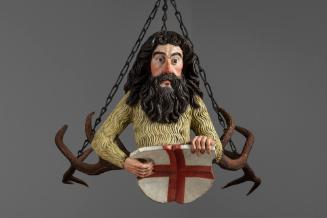
about 1525-1550
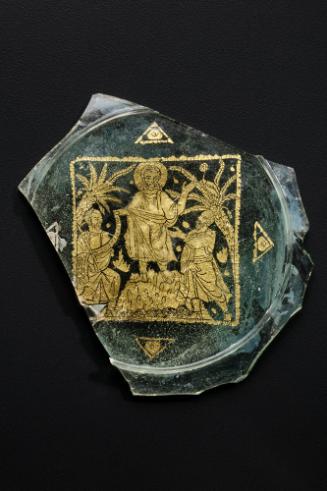
about 370-400 CE
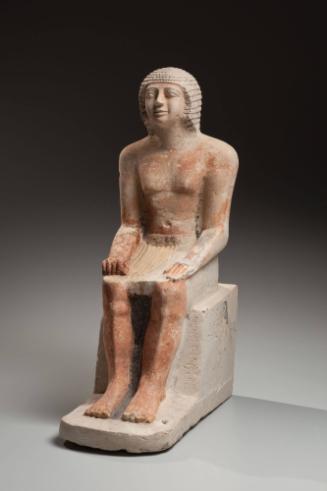
6th Dynasty (2345-2181 BCE)


about 230 BCE- 220 CE

1st-2nd century CE

Dynasty 18
18th–19th Dynasties (1550–1189 BCE), about 1450–1250 BCE
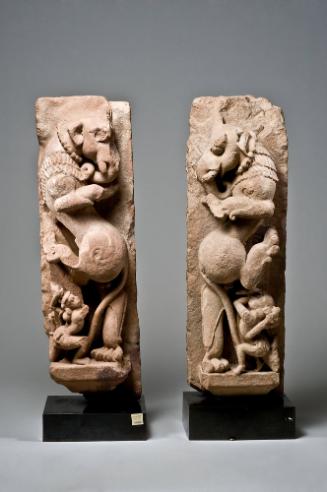
11th century

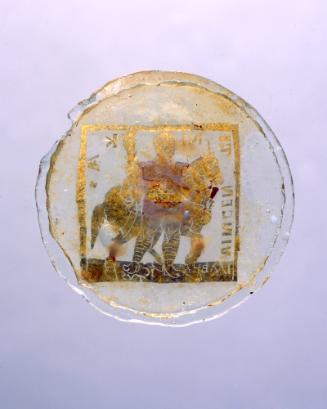
350-400 CE (or modern)

668-627 BCE

11th century

Membership
Become a TMA member today
Support TMA
Help support the TMA mission