

Mingqi (Spirit Good) in the Form of a Granary
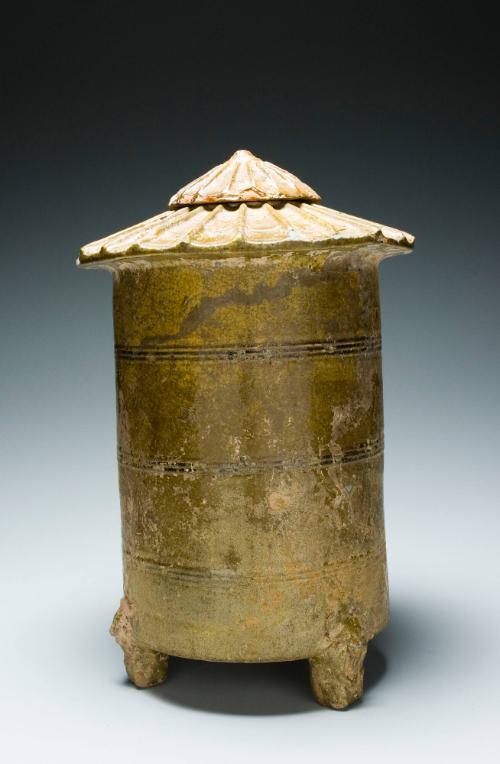

Mingqi (Spirit Good) in the Form of a Granary
Place of OriginChina, likely Central Plains (Henan or Shaanxi provinces)
Date25 CE- 220 CE
DimensionsH (with lid): 13 in. (33 cm); W: 8 1/2 in. (21.6 cm)
MediumRed earthenware with green lead-silicate glaze.
ClassificationCeramics
Credit LineGift of the Popplestone Family
Object number
2006.136
Not on View
DescriptionA cylindrical earthenware vessel modeled as a granary tower (cang), resting on three molded supports shaped as crouching bears. The body is wheel-thrown and divided into horizontal registers by triple-incised grooves ("bowstrings") that simulate timber framing. The vessel is surmounted by a removable conical lid with a central circular aperture, molded with radiating ridges to represent a tiled roof. The surface is coated in a low-fired lead-fluxed glaze, originally leaf-green, which has degraded to a silvery iridescence due to burial conditions.
Label TextThis tall, hollow vessel takes the form of a multi-story granary raised on three sturdy feet. The cylindrical body is encircled by horizontal ridges suggesting timber or reed construction, while the domed lid is modeled as a two-tiered tiled roof with projecting eaves. Such models, known as mingqi (“spirit articles”), were made for tombs to provide for the deceased in the afterlife. Granaries were a common component of Han funerary assemblages and symbolized wealth, sustenance, and continuity. Ceramic examples of similar form have been found throughout northern and central China, often accompanied by model houses, wells, and watchtowers that together represented a self-sufficient estate for the spirit world.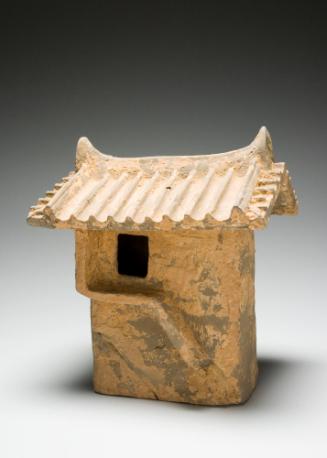
about 200 CE

Han Dynasty (206 BCE-220 CE)

Tang Dynasty (618-907)

Tang Dynasty (618-907)

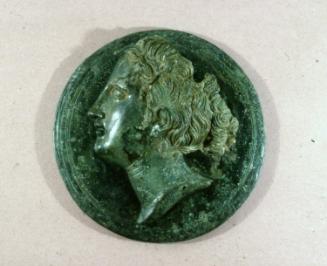
about 320 BCE

Roman Period, 1st century BCE - 4th century CE
Roman Period, 1st century BCE - 4th century CE

Roman Period, 1st century BCE - 4th century CE
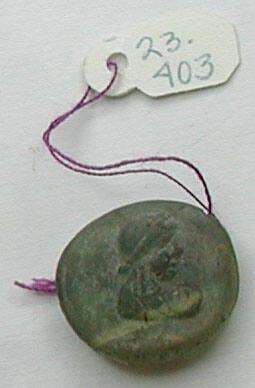
Roman Period, 1st century BCE - 4th century CE
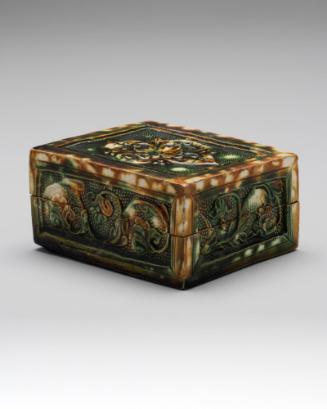
about 700-750

Membership
Become a TMA member today
Support TMA
Help support the TMA mission