

Reliquary in the Form of a Shrine
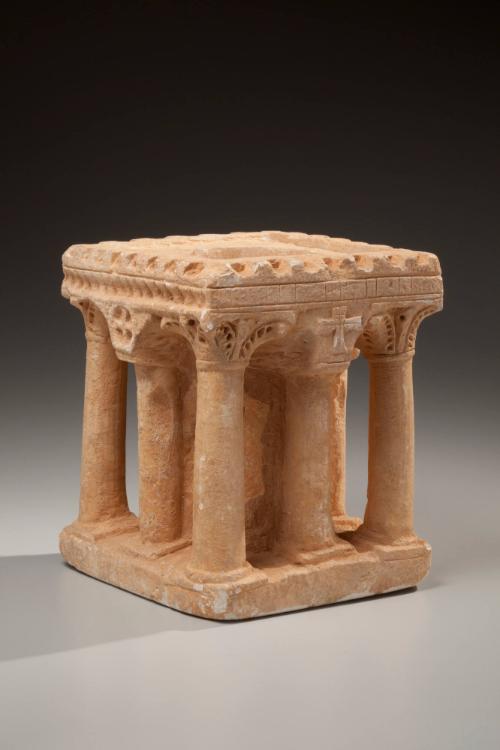

Reliquary in the Form of a Shrine
Period
Byzantine Empire
(Byzantine, 395 CE-1453 CE)
Place of OriginSyria, Israel, Palestine, or Jordan
Date6th-7th century CE
Dimensions9 1/4 × 7 3/4 × 7 3/4 in. (23.5 × 19.7 × 19.7 cm)
Mediumlimestone
ClassificationSculpture
Credit LineGift of the Popplestone Family
Object number
2006.91
Not on View
DescriptionA carved limestone block formed into a square, openwork architectural shrine. Four engaged columns mark the exterior corners, supporting a flat roof-like rim. Inside this square framework sits a central cylindrical chamber, also articulated with engaged columns or vertical ribbing. The stone is a pale, matte limestone with visible surface pitting and wear consistent with excavation.
Label TextThis small limestone structure is a reliquary—a sacred container designed to hold a relic. Its architectural form, featuring a central cylinder surrounded by columns, likely mimics the Rotunda of the Anastasis (Resurrection) at the Church of the Holy Sepulchre in Jerusalem.
In the Early Byzantine period, pilgrims flocked to the Holy Land, believing that the sanctity of holy places could be transferred through contact. They collected brandea or eulogiae ("blessings")—such as oil, earth, or cloth that had touched a holy site—and transported them home in containers like this one. By possessing a model of the Holy Sepulchre containing a contact relic, the owner could mentally and spiritually transport themselves back to the site of Christ's resurrection.
Exhibition HistoryThe Dayton Art Institute, The Roman World: Religions and Everyday Life (featuring the Brooklyn Museum exhibition: Tree of Paradise: Jewish Mosaics from the Roman Empire), September 21, 2007 - January 6, 2008 (no catalogue). Comparative ReferencesSee also Padgett, Michael, Transition to Christianity, Art of Late Antiquity 3rd to 7th. Century AD New York, Alexander S. Onassis Public Benefit Fuondation (USA), 2011, p. 131, Cat. N° 91. Comte, Marie-Christine, Les reliquaires du Proche-Orient et de Chypre à l'époque protobyzantine, Turnhout, Brepols, 2012 (general reference for type).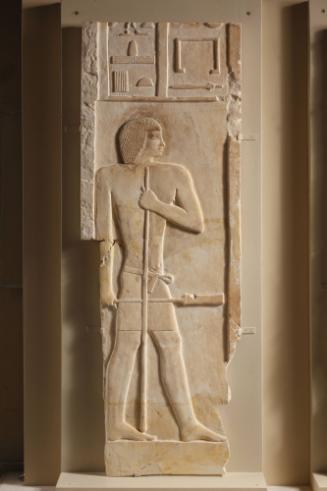
4th Dynasty (2613–2498 BCE)
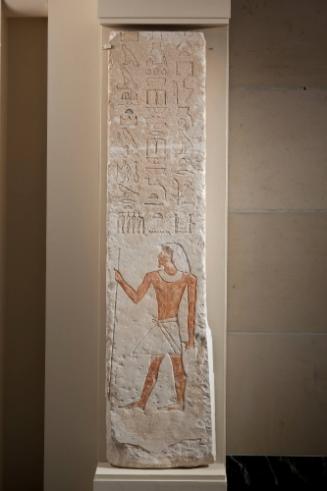
5th Dynasty (2498–2345 BCE)

5th Dynasty (2498–2345 BCE)

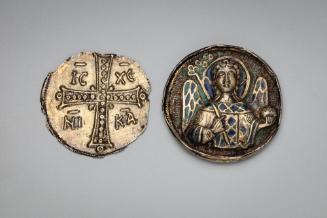
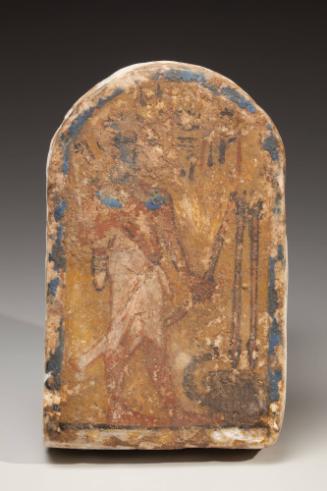
18th Dynasty (1550-1292 BCE), about 1330 BCE


18th Dynasty (1550-1292 BCE), about 1390 BCE
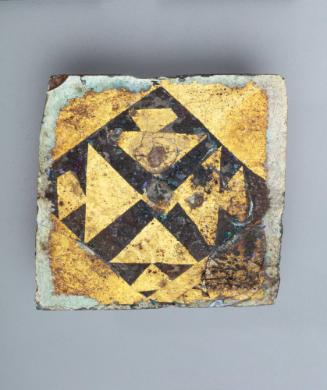
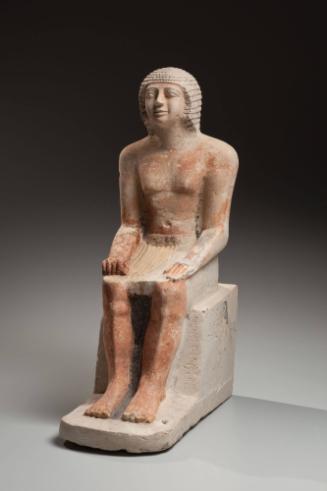
6th Dynasty (2345-2181 BCE)
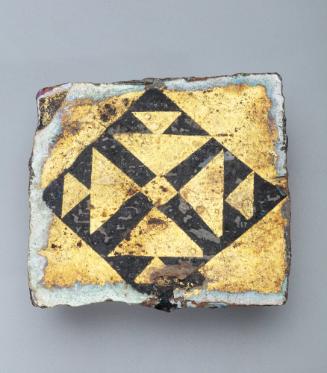
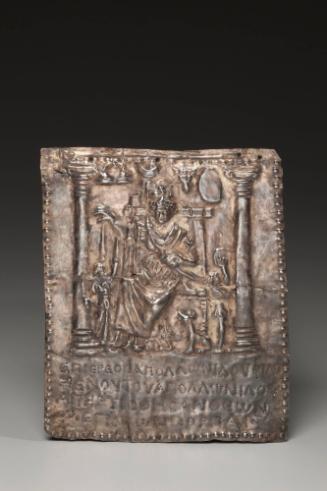
2nd to 4th century CE

Membership
Become a TMA member today
Support TMA
Help support the TMA mission